


In today’s ever-evolving digital landscape, brands are constantly seeking ways to stand out and create meaningful connections with their audiences. One of the most powerful forces driving this transformation is Artificial Intelligence (AI). With the rise of AI-powered tools and analytics, digital marketing has entered a new era where data meets creativity, and personalization is no longer optional — it’s essential.
AI has completely changed how businesses approach content creation and audience engagement. Instead of producing generic messages for a broad audience, marketers can now use AI to understand each customer’s behavior, preferences, and intent. From writing blog articles to automating email campaigns, AI enables brands to deliver the right content to the right person at the right time — making every interaction more relevant and impactful.
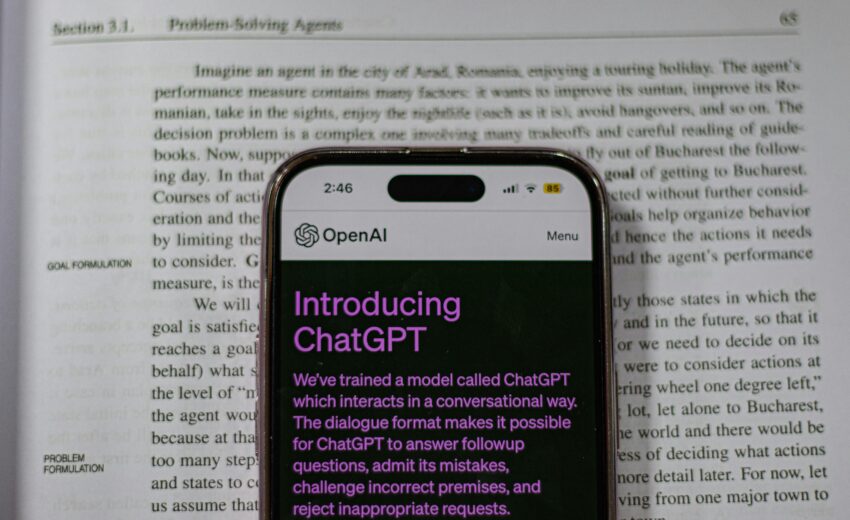
When we talk about AI-powered content, we refer to the use of intelligent systems that can generate, analyze, and optimize digital materials. These tools can assist in writing engaging blog posts, designing social media visuals, and even predicting which topics will perform best. For example, AI-driven platforms like ChatGPT, Jasper, and Surfer SEO help marketers craft optimized content that resonates with specific audiences. Instead of spending hours brainstorming ideas, businesses can rely on AI insights to streamline their creative process while maintaining quality and consistency.
Personalization takes this a step further. It’s the art of tailoring content and experiences based on a user’s individual journey. AI plays a crucial role here by analyzing large volumes of data — including search patterns, purchase history, engagement rates, and demographics. With these insights, marketers can offer personalized product recommendations, emails, and social media ads that speak directly to each customer’s needs. This kind of precision targeting not only enhances engagement but also builds trust and loyalty over time.
The benefits of AI-powered content and personalization are undeniable. Businesses that embrace these technologies see higher engagement, improved conversion rates, and stronger brand loyalty. AI helps marketers make smarter, data-driven decisions, ensuring that every campaign delivers measurable results. For small businesses and freelancers, AI tools provide a level playing field — allowing them to compete with larger brands through smart automation and efficient resource use.
However, while AI enhances efficiency, it should never replace human creativity. The emotional intelligence, storytelling ability, and strategic thinking that humans bring to the table are irreplaceable. The best digital marketing strategies combine the analytical power of AI with the authenticity and empathy of human insight. Moreover, ethical data usage remains a top priority — brands must collect and apply customer information transparently to maintain trust.
In conclusion, AI-powered content and personalization represent the future of digital marketing. They empower businesses to communicate more effectively, deliver memorable experiences, and foster lasting customer relationships. As technology continues to evolve, marketers who learn to blend AI innovation with human creativity will lead the way. The future belongs to those who understand that in digital marketing, success isn’t just about automation — it’s about connection, relevance, and a personal touch powered by intelligence.
Must explain to you how all this mistaken idea of denouncing pleasure and praising pain was born and I will give you a complete account of the system, and expound the actual teachings of the great explorer of the truth, the master-builder of human happiness. No one rejects, dislikes, or avoids pleasure itself, because it is pleasure, but because those who do not know how to pursue pleasure rationally encounter consequences that are extremely painful. Nor again is there anyone who loves or pursues or desires to obtain pain of itself, because it is pain, but because occasionally circumstances.
No one rejects, dislikes, or avoids pleasure itself, because it is pleasure, but because those who do not know how to pursue pleasure rationally encounter consequences that are extremely painful. Nor again is there anyone who loves or pursues or desires to obtain pain of itself because it is painse